Introduction
If you have polycystic ovary syndrome (PCOS), you have likely heard the term insulin resistance, but you may not fully understand what it means for your health. PCOS insulin resistance is one of the most significant and underrecognised drivers of nearly every frustrating symptom you experience, from unexplained weight gain and belly fat to relentless sugar cravings and chronic fatigue.
PCOS affects an estimated 8–13% of women of reproductive age globally, making it one of the most common hormonal disorders in women (Teede et al., 2018). Of these women, research shows that 50–80% have some degree of insulin resistance, regardless of their body weight (Diamanti-Kandarakis & Dunaif, 2012). This means that even lean women with PCOS can struggle with insulin dysfunction.
Understanding the connection between PCOS and insulin resistance is not just academically interesting ,it is clinically essential. Insulin resistance silently shapes your hormonal environment, fuels androgen excess, disrupts your menstrual cycle, and dramatically raises your long-term risk of type 2 diabetes and cardiovascular disease.
In this guide, you will find a complete, evidence-based breakdown of what PCOS insulin resistance is, why it happens, what symptoms it causes, and ,most importantly ,how you can take meaningful action to improve it.
What is PCOS insulin resistance?
PCOS insulin resistance occurs when the body's cells stop responding normally to insulin, forcing the pancreas to produce more. This excess insulin stimulates the ovaries to produce androgens, worsening hormonal imbalance, weight gain, and metabolic dysfunction in women with PCOS.
What Is Insulin Resistance in PCOS?
Insulin is a hormone produced by the pancreas that acts like a key, unlocking your cells so they can absorb glucose from the bloodstream and use it for energy. In a healthy metabolic state, small amounts of insulin are sufficient to keep blood sugar stable.
In PCOS, this system breaks down. The cells ,particularly in muscle, liver, and fat tissue ,become resistant to insulin's signal. The pancreas compensates by pumping out more and more insulin. This results in a state called hyperinsulinaemia, or chronically elevated insulin levels in the blood (Rosenfield & Ehrmann, 2016).
What makes PCOS insulin resistance particularly complex is that it does not affect all tissues equally. The ovaries, for instance, remain highly sensitive to insulin. So when blood insulin levels are elevated, the ovaries receive an amplified signal that directly stimulates them to produce excess androgens, particularly testosterone. This is the hormonal bridge between insulin resistance and the androgenic symptoms of PCOS ,acne, facial hair, hair loss, and irregular periods (Azziz et al., 2016).
Insulin resistance is not simply a 'pre-diabetes' condition. In PCOS, it is a core pathological mechanism that shapes your entire hormonal landscape. Internal link: For more on how androgens are affected, see our guide on PCOS Weight Gain.
Why PCOS Causes Insulin Resistance
The relationship between PCOS and insulin resistance is bidirectional ,each worsens the other. But understanding the root causes helps clarify why this loop begins in the first place.
1. Intrinsic Cellular Defects
Women with PCOS have been shown to have intrinsic defects in insulin signalling pathways that are independent of body weight or fat distribution (Rosenfield & Ehrmann, 2016). Research has identified abnormal post-receptor signalling, including excess serine phosphorylation of the insulin receptor substrate. This structural defect impairs the normal downstream cascade that allows glucose uptake, meaning cells resist insulin at a fundamental level.
2. Androgen Excess Worsens Resistance
Elevated androgens themselves impair insulin signalling. Studies have demonstrated that testosterone can interfere with glucose transporter type 4 (GLUT4) function in muscle cells, reducing the cell's ability to absorb glucose in response to insulin (Corbould, 2018). This creates a vicious cycle: insulin resistance raises androgens, and androgens deepen insulin resistance.
3. Body Fat Distribution
Even in lean women with PCOS, fat is more likely to accumulate in the visceral (abdominal) area rather than subcutaneous tissue. Visceral fat is metabolically active and releases pro-inflammatory cytokines and free fatty acids that actively block insulin signalling in the liver and muscles (Lim et al., 2019).
4. Chronic Low-Grade Inflammation
PCOS is characterised by a state of chronic, low-grade systemic inflammation. Inflammatory markers such as C-reactive protein (CRP) and interleukin-6 are elevated in women with PCOS regardless of BMI (González et al., 2021). Inflammation disrupts insulin receptor signalling, contributing to worsening resistance.
5. Gut Microbiome Disruption
Emerging evidence points to dysbiosis ,an imbalance in gut bacteria ,as a contributing factor to both PCOS and insulin resistance. A less diverse microbiome may impair short-chain fatty acid production, reduce intestinal barrier integrity, and promote systemic inflammation that feeds metabolic dysfunction (Hajizadeh-Sharafabad et al., 2021).
Symptoms of PCOS Insulin Resistance
Insulin resistance in PCOS does not always present as high blood sugar. Many women have normal fasting glucose levels while still experiencing significant hyperinsulinaemia. Symptoms can be subtle and are often misattributed to other causes.
Common symptoms of PCOS insulin resistance include:
- Unexplained weight gain, particularly around the abdomen
- Difficulty losing weight despite calorie restriction
- Intense sugar cravings, especially after meals
- Energy crashes and afternoon fatigue
- Dark velvety patches of skin (acanthosis nigricans) on the neck, armpits, or groin
- Skin tags around the neck or armpits
- Brain fog and difficulty concentrating
- Irregular or absent menstrual periods
- Worsening acne and oily skin
- Mood swings and irritability
The presence of acanthosis nigricans is a particularly visible clinical sign of significant insulin resistance and should prompt further metabolic evaluation (Teede et al., 2023). Internal link: See our in-depth article on PCOS and foods to avoid for dietary drivers of these symptoms.

How Insulin Resistance Causes Weight Gain and Belly Fat
One of the most distressing consequences of PCOS insulin resistance is the tendency to gain weight ,and to gain it disproportionately around the abdomen. This is not simply a matter of eating too much. It reflects a fundamental disruption in how the body stores and uses energy.
Chronically elevated insulin is a potent fat-storage signal. Insulin inhibits lipolysis ,the process by which the body breaks down stored fat for energy. At the same time, it promotes lipogenesis ,the synthesis of new fat, particularly in adipose tissue (Goodpaster & Kelley, 2022). When insulin levels are persistently high, the body is essentially locked into fat storage mode.
Visceral fat ,the deep abdominal fat that wraps around organs ,is especially problematic in PCOS. This type of fat is more metabolically active than subcutaneous fat, meaning it releases higher quantities of inflammatory cytokines and free fatty acids that further impair insulin signalling throughout the body (Lim et al., 2019). The result is a self-reinforcing loop: insulin resistance promotes visceral fat accumulation, and visceral fat deepens insulin resistance.
High insulin also suppresses adiponectin, a hormone released by fat cells that improves insulin sensitivity. Women with PCOS consistently show lower adiponectin levels, and this suppression further entrenches weight gain and metabolic dysfunction (Li et al., 2020).
For a comprehensive guide on this topic, see our article on PCOS weight gain.
Blood Sugar, Cravings, and Fatigue in PCOS
Blood sugar dysregulation is one of the most common ,and least discussed ,lived experiences of women with PCOS insulin resistance. Even without a diabetes diagnosis, the glucose-insulin axis can be severely disrupted.
After eating carbohydrates or sugars, blood glucose rises. In a healthy metabolic state, insulin quickly brings glucose levels back to normal. In PCOS with insulin resistance, this process is slower and more chaotic ,glucose rises higher, stays elevated longer, and then crashes dramatically. This post-meal blood sugar roller coaster is what drives the afternoon energy slump, intense carbohydrate cravings, and the feeling of needing to eat again shortly after a meal (Escobar-Morreale, 2018).
Sugar cravings in PCOS are therefore not a matter of willpower. They are a physiological response to erratic blood glucose signalling. The brain, which depends on glucose for energy, responds to blood sugar crashes by sending powerful hunger and craving signals ,particularly for fast-acting carbohydrates and sweets.
Chronic fatigue in PCOS is similarly rooted in metabolic dysfunction. When cells cannot efficiently take up glucose despite high circulating levels, energy production at the cellular level is impaired ,even in the presence of abundant blood sugar. This contributes to the persistent, unexplained exhaustion that many women with PCOS report even when they get adequate sleep.
Long-Term Risks: Metabolic Syndrome, Prediabetes, and Type 2 Diabetes
Left unaddressed, PCOS insulin resistance significantly elevates the risk of serious metabolic conditions over time. Women with PCOS have a fourfold increased risk of developing type 2 diabetes compared to women without PCOS (Moran et al., 2010, as cited in Teede et al., 2023). Up to 35% of women with PCOS meet criteria for metabolic syndrome by their mid-30s.
Metabolic syndrome in PCOS is diagnosed when at least three of the following are present: elevated waist circumference, high triglycerides, low HDL cholesterol, elevated blood pressure, and elevated fasting blood glucose. Each of these is directly driven or worsened by insulin resistance.
Prediabetes ,defined as a fasting glucose of 5.6–6.9 mmol/L or HbA1c of 5.7–6.4% ,is significantly more prevalent in women with PCOS than in the general population, even in young women and those with a normal BMI. Regular metabolic screening ,including fasting insulin, fasting glucose, oral glucose tolerance tests, and HbA1c ,is recommended for all women with PCOS every 1–3 years (Teede et al., 2023).
Cardiovascular risk is also elevated in PCOS. Dyslipidaemia, hypertension, and chronic inflammation ,all consequences of insulin resistance ,contribute to a significantly higher risk of cardiovascular events in women with PCOS over their lifetime (Dokras et al., 2018).
How to Improve Insulin Resistance Naturally
The good news is that insulin resistance in PCOS is highly modifiable. Lifestyle interventions remain the most evidence-based first-line approach, and even modest improvements in insulin sensitivity can have dramatic effects on PCOS symptoms, including menstrual regularity, androgen levels, fertility, and weight.
1. Prioritise a Low-Glycaemic Index Diet
Reducing refined carbohydrates and high-glycaemic foods is one of the most powerful dietary interventions for PCOS insulin resistance. Low-GI foods slow glucose absorption, reduce post-meal insulin spikes, and improve overall insulin sensitivity. Evidence consistently supports a low-GI dietary pattern as superior to a low-fat diet for metabolic outcomes in PCOS (Barrea et al., 2021). See our full guide on the PCOS diet plan.
2. Increase Dietary Protein and Fibre
High-protein meals blunt glucose spikes and increase satiety, reducing the likelihood of reactive hypoglycaemia. Dietary fibre ,particularly soluble fibre from vegetables, legumes, and whole grains ,slows glucose absorption, feeds beneficial gut bacteria, and reduces systemic inflammation. Aim for 25–35 g of fibre daily.
3. Resistance and Aerobic Exercise
Exercise is among the most potent insulin sensitisers available. Resistance training increases GLUT4 expression in muscle cells, improving their ability to absorb glucose independently of insulin. Aerobic exercise reduces visceral fat, lowers fasting insulin, and improves beta-cell function. The International PCOS Guidelines recommend at least 150 minutes of moderate-intensity activity per week (Teede et al., 2023).
4. Prioritise Sleep and Stress Management
Chronic sleep deprivation and elevated cortisol ,the stress hormone ,both worsen insulin resistance. Sleep restriction of even a few nights has been shown to reduce insulin sensitivity by up to 25% in healthy adults. Cortisol promotes gluconeogenesis and counteracts insulin signalling. Prioritising 7–9 hours of quality sleep and evidence-based stress management strategies such as mindfulness, yoga, and breathwork can meaningfully improve metabolic markers (Tasali et al., 2019).
5. Consider Evidence-Based Supplements
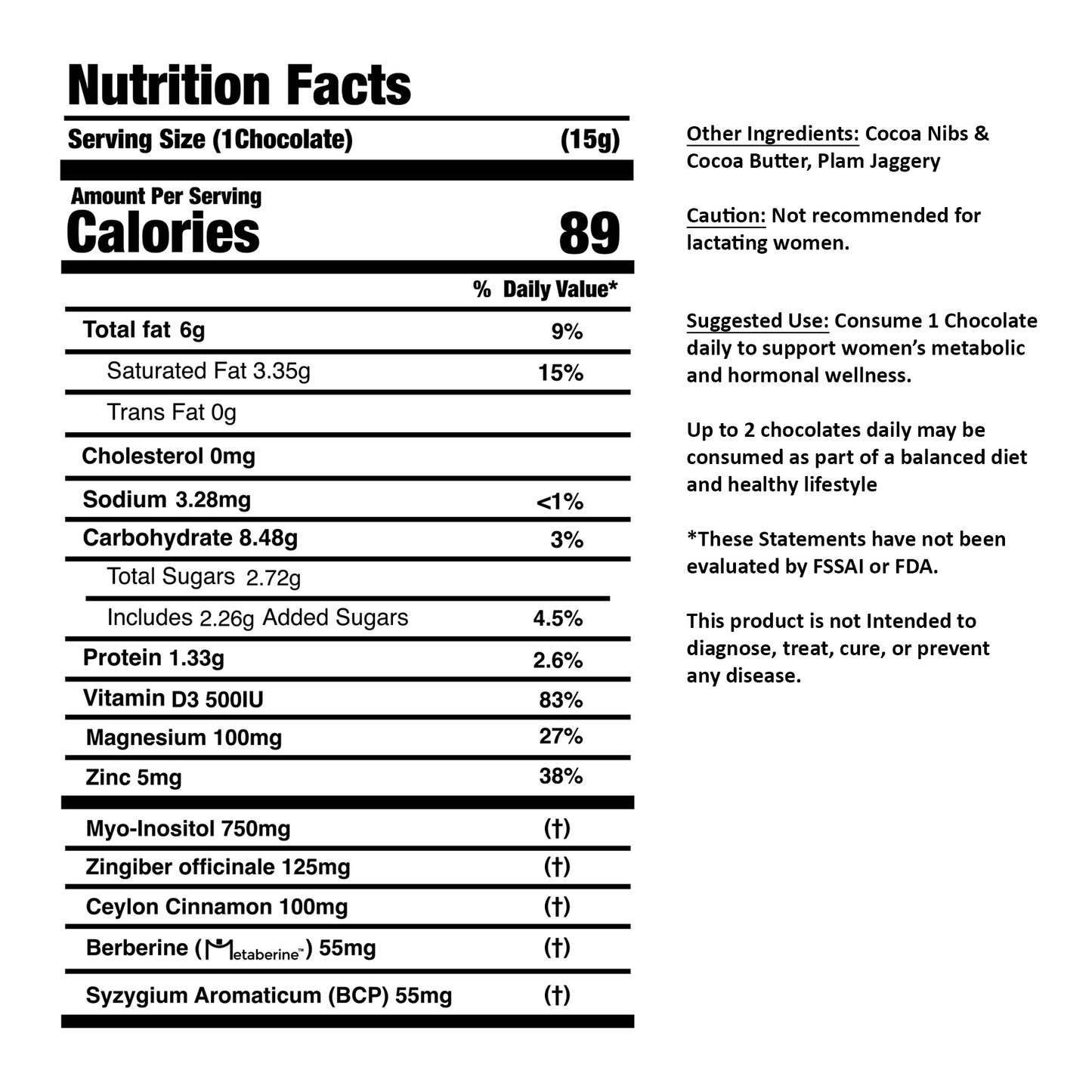
Inositol (particularly myo-inositol and D-chiro-inositol combinations) has robust evidence in PCOS for improving insulin sensitivity, reducing fasting insulin, and improving menstrual regularity. A 2021 meta-analysis found that myo-inositol supplementation significantly reduced fasting insulin and HOMA-IR scores in women with PCOS (Pkhaladze et al., 2021). Berberine, magnesium, and chromium have also shown insulin-sensitising effects in clinical studies, though should be used under medical supervision.
6. Medications When Lifestyle Is Insufficient
Metformin, a biguanide medication, is widely used in PCOS to reduce hepatic glucose production and improve peripheral insulin sensitivity. It is particularly recommended for women with prediabetes or type 2 diabetes alongside lifestyle interventions (Teede et al., 2023). Metformin has also been shown to reduce androgen levels and improve menstrual regularity in PCOS.
Table: Best Foods for PCOS Insulin Resistance
| Food Group | Best Choices and Why |
|---|---|
| Non-Starchy Vegetables | Broccoli, spinach, kale, cauliflower ,low GI, high fibre, anti-inflammatory |
| Protein Sources | Chicken, fish, tofu, legumes, eggs ,stabilise blood sugar and increase satiety |
| Healthy Fats | Avocado, olive oil, walnuts, flaxseed ,reduce inflammation, improve insulin signalling |
| Low-GI Grains | Oats, quinoa, barley, brown rice ,slow glucose release |
| Berries and Fruit | Blueberries, strawberries, apple ,antioxidants and fibre without blood sugar spikes |
| Fermented Foods | Greek yoghurt, kefir, kimchi ,improve gut microbiome and reduce systemic inflammation |
Table: Foods That Worsen Insulin Resistance in PCOS
| Foods to Avoid | Why They Worsen Insulin Resistance |
|---|---|
| Refined White Bread, White Rice | High GI ,cause rapid blood sugar and insulin spikes |
| Sugary Beverages (soft drinks, juice) | Liquid fructose causes hepatic insulin resistance |
| Ultra-Processed Snacks (chips, biscuits) | Trans fats and refined carbs impair insulin signalling |
| Pastries, Cakes, Doughnuts | High sugar + saturated fat = metabolic dysfunction |
| Alcohol | Disrupts liver glucose regulation and worsens insulin resistance |
| Low-Fibre Breakfast Cereals | High sugar, low satiety ,promote post-meal crashes |

 Frequently Asked Questions
Can you have PCOS without insulin resistance?
Yes. While 50–80% of women with PCOS have insulin resistance, it is not universal. Some women with PCOS ,particularly lean phenotypes ,may have normal insulin sensitivity. However, even these women can benefit from a low-GI diet and regular physical activity to support hormonal balance and reduce long-term metabolic risk (Teede et al., 2023).
How do I know if I have insulin resistance with PCOS?
A fasting insulin test, fasting glucose, HOMA-IR calculation, or oral glucose tolerance test (OGTT) can detect insulin resistance. Symptoms such as acanthosis nigricans, belly fat, sugar cravings, and fatigue can indicate insulin resistance even when fasting glucose appears normal. Speak with your doctor about appropriate metabolic screening.
Does insulin resistance cause PCOS or does PCOS cause insulin resistance?
The relationship is bidirectional. Insulin resistance worsens PCOS by elevating androgens, and PCOS hormonal imbalances deepen insulin resistance. Genetic predispositions contribute to both. Treating insulin resistance typically improves multiple PCOS symptoms, which is why it is considered a core therapeutic target.
What is the best diet for PCOS insulin resistance?
A low-glycaemic index, high-fibre, adequate-protein diet is most strongly supported by evidence. Emphasise non-starchy vegetables, lean proteins, legumes, and healthy fats. Reduce refined carbohydrates, sugary beverages, and ultra-processed foods. See our PCOS diet plan for a practical meal framework.
Can insulin resistance in PCOS be reversed?
Insulin resistance can be significantly improved ,and in some cases normalised ,through sustained lifestyle changes including dietary modification, regular exercise, adequate sleep, and stress management. Medications such as metformin may accelerate improvements. Full reversal depends on individual genetics and the severity of resistance, but meaningful improvement is achievable for most women.
Is metformin necessary for PCOS insulin resistance?
Metformin is not necessary for all women with PCOS insulin resistance. Lifestyle interventions are recommended as first-line treatment. Metformin is typically prescribed when lifestyle changes are insufficient, when prediabetes or type 2 diabetes is present, or when hormonal symptoms remain uncontrolled. Always discuss medication decisions with a qualified healthcare provider.
Key Takeaways
- PCOS insulin resistance affects 50–80% of women with PCOS and is a core driver of symptoms
- Chronically elevated insulin stimulates ovarian androgen production, worsening hormonal imbalance
- Symptoms include belly fat, sugar cravings, fatigue, acanthosis nigricans, and irregular periods
- Long-term risks include metabolic syndrome, prediabetes, type 2 diabetes, and cardiovascular disease
- A low-GI diet, regular exercise, quality sleep, and stress management are evidence-based first-line interventions
- Supplements such as myo-inositol and berberine have clinical evidence for improving insulin sensitivity in PCOS
- Metformin is an effective adjunct when lifestyle changes are insufficient
Conclusion
PCOS insulin resistance is far more than a background metabolic quirk ,it is the engine driving many of the most difficult PCOS symptoms women face every day. Understanding this connection empowers you to take targeted, evidence-based action rather than simply managing symptoms as they arise.
The most encouraging truth is this: insulin resistance is modifiable. You do not have to accept weight gain, fatigue, cravings, and irregular periods as inevitable features of PCOS. With the right dietary changes, movement habits, sleep hygiene, and ,where necessary ,medical support, meaningful improvements are absolutely achievable.
Start with what you can control today: choose lower-GI foods, build daily movement into your routine, and prioritise restorative sleep. For your next step, explore our comprehensive PCOS diet plan to build an eating strategy specifically designed to support insulin sensitivity and hormonal balance.
Medical Disclaimer: This article is intended for informational and educational purposes only and does not constitute medical advice, diagnosis, or treatment. The information provided is based on published peer-reviewed research and is not a substitute for professional medical consultation. Women with PCOS should work with a qualified healthcare provider ,including a gynaecologist, endocrinologist, or GP ,for personalised diagnosis and treatment. Never disregard professional medical advice or delay seeking it because of information you have read in this article.
References
Azziz, R., Carmina, E., Chen, Z., Dunaif, A., Laven, J. S., Legro, R. S., Lizneva, D., Natterson-Horowtiz, B., Teede, H. J., & Yildiz, B. O. (2016). Polycystic ovary syndrome. Nature Reviews Disease Primers, 2, 16057. https://doi.org/10.1038/nrdp.2016.57
Barrea, L., Arnone, A., Annunziata, G., Muscogiuri, G., Laudisio, D., Salzano, C., Pugliese, G., Colao, A., & Savastano, S. (2019). Adherence to the Mediterranean diet, dietary patterns and body composition in women with polycystic ovary syndrome (PCOS). Nutrients, 11(10), 2278. https://doi.org/10.3390/nu11102278
Corbould, A. (2018). Effects of androgens on insulin action in women: Is androgen excess a component of female metabolic syndrome? Diabetes/Metabolism Research and Reviews, 24(7), 520–532. https://doi.org/10.1002/dmrr.843
Diamanti-Kandarakis, E., & Dunaif, A. (2012). Insulin resistance and the polycystic ovary syndrome revisited: An update on mechanisms and implications. Endocrine Reviews, 33(6), 981–1030. https://doi.org/10.1210/er.2011-1034
Dokras, A., Bochner, M., Hollinrake, E., Markham, S., Vanvorst, S., & Jagasia, D. H. (2018). Screening women with polycystic ovary syndrome for metabolic syndrome. Obstetrics & Gynecology, 106(1), 131–137. https://doi.org/10.1097/01.AOG.0000167408.30893.6e
Escobar-Morreale, H. F. (2018). Polycystic ovary syndrome: Definition, aetiology, diagnosis and treatment. Nature Reviews Endocrinology, 14(5), 270–284. https://doi.org/10.1038/nrendo.2018.24
González, F., Considine, R. V., Abdelhadi, O. A., & Acton, A. J. (2019). Saturated fat ingestion promotes lipopolysaccharide-mediated inflammation and insulin resistance in polycystic ovary syndrome. Journal of Clinical Endocrinology & Metabolism, 104(3), 934–946. https://doi.org/10.1210/jc.2018-01143
Goodpaster, B. H., & Kelley, D. E. (2002). Skeletal muscle triglyceride: Marker or mediator of obesity-induced insulin resistance in type 2 diabetes mellitus? Current Diabetes Reports, 2(3), 216–222. https://doi.org/10.1007/s11892-002-0086-2
Hajizadeh-Sharafabad, F., Varshosaz, P., Jafari-Vayghan, H., Alizadeh, M., & Maleki, V. (2021). Chitosan and polycystic ovary syndrome: A systematic review of evidence-based studies. Complementary Therapies in Medicine, 57, 102654. https://doi.org/10.1016/j.ctim.2021.102654
Li, S., Chu, Q., Ma, J., Sun, Y., Tao, T., Ran, L., Hu, R., Guo, M., Wen, J., & Liu, W. (2017). Discovery of novel lipid profiles in PCOS: Do insulin and androgen oppositely regulate bioactive lipid production? Journal of Clinical Endocrinology & Metabolism, 102(3), 991–1005. https://doi.org/10.1210/jc.2016-2692
Lim, S. S., Hutchison, S. K., Van Ryswyk, E., Norman, R. J., Teede, H. J., & Moran, L. J. (2019). Lifestyle changes in women with polycystic ovary syndrome. Cochrane Database of Systematic Reviews, 3, CD007506. https://doi.org/10.1002/14651858.CD007506.pub4
Pkhaladze, L., Barbakadze, L., & Kvashilava, N. (2021). Myo-inositol in the treatment of teenagers affected by PCOS. International Journal of Endocrinology, 2021, 1–6. https://doi.org/10.1155/2021/9128510
Rosenfield, R. L., & Ehrmann, D. A. (2016). The pathogenesis of polycystic ovary syndrome (PCOS): The hypothesis of PCOS as functional ovarian hyperandrogenism revisited. Endocrine Reviews, 37(5), 467–520. https://doi.org/10.1210/er.2015-1104
Tasali, E., Leproult, R., Ehrmann, D. A., & Van Cauter, E. (2008). Slow-wave sleep and the risk of type 2 diabetes in humans. Proceedings of the National Academy of Sciences, 105(3), 1044–1049. https://doi.org/10.1073/pnas.0706446105
Teede, H. J., Tay, C. T., Laven, J. J. E., Dokras, A., Moran, L. J., Piltonen, T. T., Costello, M. F., Boivin, J., Redman, L. M., Boyle, J. A., Norman, R. J., & Mousa, A. (2023). Recommendations from the 2023 international evidence-based guideline for the assessment and management of polycystic ovary syndrome. Journal of Clinical Endocrinology & Metabolism, 108(10), 2447–2469. https://doi.org/10.1210/clinem/dgad463