If you dread that first day of your period because it means reaching for a pill, you're not alone. Most of us have been taught that period cramps and painkillers go hand in hand. But NSAIDs and other over-the-counter (OTC) medicines aren't the only way to get through the day and for many people, they're not always the best fit either.
Whether you're trying to cut back on medication, dealing with a stomach that doesn't love ibuprofen, or simply curious about what else is out there, this guide walks through seven science-backed alternatives to painkillers for period cramps with an honest look at how strong the evidence actually is for each plus a full explainer on Meftal Spas, the difference between period pain and PMS, and a side-by-side comparison of the OTC painkillers people reach for most.
How We Chose and Rated the Evidence
Every remedy below is backed by at least one citation to a peer-reviewed study, systematic review, or Cochrane review no claim in this article rests on anecdote alone. Where possible, we prioritized:
- Randomized controlled trials (RCTs) and systematic reviews/meta-analyses over single small studies or observational data
- Cochrane Database reviews, generally considered the highest bar of evidence synthesis in medicine
- Studies conducted specifically in people with primary dysmenorrhea (menstrual cramps not caused by an underlying condition like endometriosis or fibroids), rather than pain research in general
Evidence quality varies a lot between remedies a single 40-person trial and a Cochrane review pooling dozens of trials both get casually cited as “studies show,” but they aren't the same thing. The evidence-strength table below is meant to make that difference visible. For the functional-food category specifically, the supporting evidence is at the ingredient level (studies on magnesium, ginger, or β-caryophyllene individually) rather than clinical trials on any specific finished branded product, and it's labeled accordingly.
A Quick Primer: How the Menstrual Cycle Works
Cramps don't happen in isolation they're the tail end of a roughly month-long hormonal cycle with two overlapping halves. The follicular phase starts on day one of your period, when the pituitary gland releases follicle-stimulating hormone (FSH) to help an egg mature in the ovary; it ends at ovulation (Cleveland Clinic, 2026). After the egg is released, the luteal phase begins: the corpus luteum, the structure left behind, produces progesterone to prepare the uterine lining for a possible pregnancy. If no pregnancy occurs, progesterone and estrogen fall sharply, triggering the shedding of the uterine lining your period and restarting the cycle.
This hormonal drop at the end of the luteal phase is what sets off the prostaglandin surge described below, which is why cramps cluster in the day or two before and during bleeding rather than at other points in the cycle.
Why Period Cramps Happen
Menstrual cramps (dysmenorrhea) happen when the uterus contracts to shed its lining. These contractions are triggered by hormone-like compounds called prostaglandins. Higher prostaglandin levels are associated with stronger cramps and the same pathway is what most OTC painkillers are designed to block.
Controlled studies measuring menstrual fluid directly found that women with primary dysmenorrhea release significantly more prostaglandin than women without cramps, and that reducing prostaglandin release with a prostaglandin-synthesis inhibitor relieved pain in the same cycles it was measured (Chan et al., 1981). Excess prostaglandin is thought to cause the uterine muscle to over-contract and constrict small blood vessels in the lining, temporarily reducing blood flow to the tissue a proposed mechanism for why the pain can feel cramping, throbbing, or colicky rather than a dull ache (Pelevin et al., 2026).
Understanding this mechanism explains why non-drug approaches that reduce inflammation, relax muscles, or support hormonal balance can also ease cramps for some people though, as the table below shows, how well-proven each approach is varies considerably.
Evidence at a Glance: How Strong Is the Research?
|
Remedy |
Type of Evidence Available |
Evidence Strength |
|
TENS therapy |
Cochrane systematic review of multiple RCTs |
High |
|
Exercise / movement |
Network meta-analysis of 29 RCTs, 1,800+ participants |
High |
|
Heat therapy |
2 independent RCTs vs. ibuprofen |
Moderate–High |
|
Ginger |
Systematic review/meta-analysis + several head-to-head RCTs vs. NSAIDs |
Moderate–High |
|
Magnesium |
1 dose-ranging RCT |
Moderate (promising, limited to a single trial) |
|
Hydration / cutting caffeine |
1 large prospective cohort study (caffeine only; hydration itself untested in trials) |
Limited / observational |
|
Functional foods (e.g., magnesium + ginger + BCP blends) |
Ingredient-level RCTs only; no published trials on finished branded products |
Limited (ingredient-based, not product-specific) |
“High” and “Moderate” describe the quality and quantity of the research design, not a guarantee of how well a remedy will work for any individual.
7 Ways to Relieve Period Cramps Without Painkillers
1. Heat Therapy
A heating pad or hot water bottle on your lower abdomen is one of the better-studied non-drug options for period pain. Heat is thought to relax the uterine muscle and improve local blood flow potentially countering the reduced blood flow prostaglandins cause.
A randomized, placebo-controlled trial found that a continuous low-level heat patch worn for two days relieved menstrual pain about as effectively as 400 mg of ibuprofen taken three times daily, and worked faster than the tablet in the first few hours (Akin et al., 2001). A separate randomized trial in college-age women with primary dysmenorrhea compared a heat patch with ibuprofen and likewise found no significant difference in pain relief between the two (Rigi et al., 2012).
How to use it: Apply a heating pad, hot water bottle, or adhesive heat patch to your lower abdomen at the first sign of cramping. Low, continuous heat over several hours as used in the trials above appears to work as well as, or faster than, a single dose of ibuprofen. Avoid placing heat directly on bare skin for long periods to prevent burns; use a cloth barrier or a skin-safe patch. Heat can be combined with other remedies here, such as movement or magnesium, without any known interaction.
Who should be careful: Heat is low-risk for most people, but check with a doctor first if you're pregnant, have a skin condition, reduced skin sensation (e.g., from diabetes-related nerve changes), or a history of deep vein thrombosis, since heat can affect circulation.
2. Gentle Movement and Stretching
Light exercise — walking, yoga, or simple hip and lower-back stretches — is thought to release endorphins and ease the sluggish, tense feeling that can come with cramps.
A 2024 network meta-analysis pooling 29 randomized controlled trials and more than 1,800 participants with primary dysmenorrhea found that every exercise type tested — relaxation exercise, yoga, aerobic activity, strength training, and mixed routines — reduced pain intensity compared with no intervention after eight weeks, with relaxation-style exercise showing the largest and most consistent effect (Tsai & Lei et al., 2024). Yoga specifically produced a meaningful reduction on a standard 10-point pain scale, making it a reasonable starting point if high-intensity workouts feel unappealing during your period. With 29 trials and nearly 2,000 participants behind it, this is one of the largest evidence bases of any remedy in this guide.
Which type should you choose? Since every category tested showed benefit, the honest answer is whichever type you'll actually do consistently during your period:
- Yoga and stretching — gentle, low-impact, with a meaningful measured pain reduction; a good choice on low-energy days.
- Walking or light aerobic activity — easy to fit in with no equipment needed.
- Strength training — also included in the pooled analysis; if you already lift, there's no clear evidence you need to stop during your period.
- Relaxation-based exercise (breathing-focused, gentle stretching) — showed the largest effect size in the pooled data.
The trials measured benefit after eight weeks of regular practice, so exercise may work best as an ongoing habit across the month rather than something started cold on day one — though gentle movement during cramps themselves is still commonly used and unlikely to cause harm.
3. Magnesium-Rich Foods or Supplements
Magnesium is involved in muscle relaxation, including in the uterine muscle: it competes with calcium at the muscle-cell level, and calcium is what drives muscle fibers to contract. Foods like leafy greens, nuts, seeds, and dark chocolate are natural sources.
A 2024 randomized controlled trial in students with primary dysmenorrhea tested two magnesium doses 150 mg and 300 mg daily against placebo. Both doses reduced pain intensity and menstrual blood loss, with the higher dose performing better (Nezamivand Chegini et al., 2024). This is a single trial rather than a body of replicated research, so it's worth treating magnesium as reasonable to try rather than a proven fix. Because magnesium needs may be elevated during the luteal phase, some clinicians suggest starting supplementation about a week before your period is due rather than waiting for cramps to begin.
Supplement considerations: The doses studied (150–300 mg/day) are within typical supplement ranges, but talk to a doctor or pharmacist before starting, especially if you take other medication or have kidney disease, since the kidneys clear excess magnesium. Higher doses can cause loose stools or digestive upset usually the limiting factor rather than a safety concern for most healthy adults. Consistency matters more than a single dose taken on the day of cramps, since the trial dosed magnesium daily.
4. Ginger
Ginger tea or ginger extract has anti-inflammatory properties and has been studied for period pain relief, with several trials finding results comparable to certain NSAIDs in mild-to-moderate cramps.
A systematic review and meta-analysis of ginger trials found it significantly more effective than placebo for reducing pain severity, with no meaningful difference between ginger and NSAID painkillers when the two were compared head-to-head (Chen et al., 2016). Individual trials support this: a double-blind comparison of ginger capsules against mefenamic acid and ibuprofen found ginger relieved pain about as well as either drug with no serious side effects reported (Ozgoli et al., 2009), and a later trial comparing ginger directly with mefenamic acid over two cycles found no significant difference in pain intensity between the two (Shirvani et al., 2015).
Typical dose and timing: Most trials used 250 mg of ginger powder, taken three to four times a day, starting at the onset of bleeding and continued for the first few days — usually as a standardized ginger powder capsule rather than fresh ginger or tea, since dosing fresh ginger consistently is harder.
Who should be careful: High doses can cause heartburn or stomach upset in some people. Ginger has mild blood-thinning properties, so check with a doctor before combining high-dose ginger supplements with blood thinners or before surgery.
5. Hydration and Managing Salt and Caffeine
Staying well hydrated is commonly recommended to reduce bloating and water retention, and cutting back on salty snacks in the days before your period may lessen bloating and general discomfort — though these specific practices haven't been tested in dedicated clinical trials for cramps the way heat or ginger have.
Caffeine is a more nuanced case than it's often given credit for. Older advice to eliminate caffeine to control PMS traces back to earlier observational studies, but a large prospective cohort study following participants for over a decade found no significant association between caffeine or coffee intake and the development of PMS, and no increased risk of breast tenderness, irritability, or fatigue among habitual coffee drinkers (Purdue-Smithe et al., 2016). That doesn't mean caffeine is problem-free for everyone it's a mild diuretic and can worsen anxiety or disrupt sleep for some people so it's worth treating as a personal-tolerance issue rather than a universal rule.
6. TENS Therapy
Transcutaneous electrical nerve stimulation (TENS) units deliver small electrical pulses through pads placed on the skin, usually over the lower abdomen or lower back, and are a drug-free option some people use alongside or instead of medication.
A 2024 Cochrane systematic review widely regarded as one of the most rigorous standards of evidence synthesis in medicine concluded that both high-frequency and low-frequency TENS likely reduce menstrual pain compared with placebo or no treatment, with proposed mechanisms including blocking pain-signal transmission, triggering release of the body's own opioid-like chemicals, and easing uterine muscle ischaemia (Han et al., 2024). Reported side effects were minor, generally limited to mild skin irritation at the electrode site. Because this conclusion comes from a Cochrane review rather than one small trial, TENS sits alongside exercise as having some of the best-supported evidence in this entire guide.
High-frequency vs. low-frequency: High-frequency TENS delivers rapid, low-intensity pulses and is generally the more comfortable starting point; low-frequency TENS delivers stronger, slower pulses that some people find more effective but less comfortable. The Cochrane review supports both frequencies working better than no treatment, so it's reasonable to try either and see what you tolerate and respond to best.
How to use it: Place the electrode pads on your lower abdomen or lower back per the device's instructions, and start at a lower intensity, increasing gradually to a level that feels strong but not painful. It can typically be combined with heat or gentle movement.
Who should be careful: Avoid TENS if you have a pacemaker or other implanted electronic device, and check with a doctor first if you're pregnant, have epilepsy, or have a heart condition. Don't place electrodes over broken skin, the front or sides of the neck, or directly over the eyes.
7. Functional Foods Formulated for Period Comfort
A newer category of products blends individually studied, cramp-associated ingredients such as magnesium, ginger, and β-caryophyllene (BCP) into everyday foods like chocolate, which can make consistent use easier for people who find remembering a separate supplement routine difficult.
It's worth being precise about what the evidence here does and doesn't cover: the research support for this category comes from trials on the individual ingredients discussed above, not from clinical trials on any particular finished product. A product combining well-studied ingredients isn't the same as a product that has itself been through a clinical trial, so it's reasonable to view this category as a convenient way to get ingredients with individual research support, rather than as a clinically proven remedy in its own right. (See the Meftal Spas section below for a closer look at one such product, kalories® Cysterly™.)
Period Pain vs. PMS: What's the Difference?
“PMS” often gets used as a catch-all term for anything unpleasant around your period — including cramps. But period pain (dysmenorrhea) and premenstrual syndrome (PMS) are driven by different parts of the menstrual cycle described above, and knowing which one you're dealing with can point you toward the remedies more likely to help.
- PMS is driven by the hormonal shifts of the luteal phase the one to two weeks before your period starts.
- Period pain (dysmenorrhea) is driven by the prostaglandin surge that accompanies the start of bleeding itself, once your period has actually begun.
That timing difference is the simplest way to tell them apart: PMS symptoms typically ease once bleeding starts, while cramps are at their worst in the day or two before and during the first days of bleeding.
PMS refers to the emotional and physical symptoms that show up in the luteal phase — commonly bloating, breast tenderness, fatigue, irritability, mood swings, and food cravings affecting an estimated 15–20% of premenopausal women to a clinically significant degree (Purdue-Smithe et al., 2016).
In practice, the two often blur together: the luteal phase runs right up to the start of bleeding, so PMS symptoms can still be present as cramps begin, and someone already fatigued and bloated from PMS may experience cramps as more disruptive. This overlap is also why several remedies above magnesium, gentle movement, heat, hydration are commonly used for both PMS and cramps, since they target overlapping mechanisms of inflammation, muscle tension, and fluid balance, even though the underlying hormonal drivers differ.
|
|
PMS |
Period Pain (Dysmenorrhea) |
|
When it happens |
1–2 weeks before your period |
Just before and during the first days of bleeding |
|
Main driver |
Hormonal shifts of the luteal phase |
Prostaglandin surge at the start of bleeding |
|
Typical symptoms |
Bloating, breast tenderness, fatigue, irritability, mood swings, cravings |
Cramping, throbbing, or colicky lower-abdominal pain |
|
Eases when |
Bleeding starts |
Bleeding progresses past the first day or two |
OTC Painkillers for Period Cramps: Full Comparison
Here's how the most common over-the-counter painkillers compare on dosage, side effects, price, and availability — including Meftal Spas, a combination tablet widely used across India.
|
# |
Painkiller |
Dosage (Adults) |
Short-Term Side Effects |
Long-Term Side Effects |
Price (Approx.) |
Availability |
|
1 |
Ibuprofen (Advil, Motrin, Brufen) |
200–400 mg every 4–6 hrs; max 1200 mg/day (OTC) |
Stomach upset, nausea, heartburn, dizziness |
Ulcers, GI bleeding, kidney strain, raised blood pressure with prolonged use |
$0.05–$0.15/tablet (~Rs. 1–4) |
Widely available OTC worldwide |
|
2 |
Naproxen Sodium (Aleve) |
220–440 mg every 8–12 hrs; max 660 mg/day (OTC) |
Stomach pain, heartburn, drowsiness |
GI ulcers/bleeding, cardiovascular risk, kidney issues with chronic use |
$0.10–$0.25/tablet (~Rs. 5–10) |
OTC in most countries; some regions require pharmacist consult |
|
3 |
Acetaminophen / Paracetamol (Tylenol, Crocin) |
500–1000 mg every 4–6 hrs; max 3000–4000 mg/day |
Rare at normal dose; nausea, rash (uncommon) |
Liver damage/failure with overdose or regular high-dose use, especially with alcohol |
$0.02–$0.08/tablet (~Rs. 1–2) |
OTC worldwide, one of the most accessible painkillers |
|
4 |
Aspirin (Bayer, Disprin) |
325–650 mg every 4–6 hrs; max ~4000 mg/day |
Stomach irritation, heartburn, tinnitus (high dose) |
GI bleeding, ulcers, Reye's syndrome risk in under-19s, bleeding risk with long-term use |
$0.02–$0.10/tablet (~Rs. 1–3) |
OTC worldwide; not recommended for under 19s |
|
5 |
Diclofenac (Voltaren, Cataflam) |
50 mg 2–3 times/day (oral); topical gel available OTC |
Stomach upset, headache, dizziness |
GI bleeding, liver enzyme changes, cardiovascular risk with prolonged use |
$0.10–$0.30/tablet (~Rs. 3–8) |
OTC in many countries as gel; oral form often behind-the-counter/Rx in the US |
|
6 |
Mefenamic Acid (Meftal, Ponstan) |
500 mg initially, then 250 mg every 6 hrs |
Nausea, diarrhea, drowsiness, stomach discomfort |
GI ulceration, kidney effects, blood disorders with prolonged use |
$0.10–$0.20/tablet (~Rs. 3–6) |
Widely OTC in Asia/India; prescription-only in the US/UK |
|
7 |
Mefenamic Acid + Dicyclomine (Meftal Spas) |
1 tablet 2–3 times/day; max ~1500 mg mefenamic acid/day |
Nausea, dry mouth, dizziness, drowsiness, constipation |
Same GI, renal and cardiovascular risks as other NSAIDs with prolonged/high-dose use |
$0.08–$0.18/tablet (~Rs. 3–7) |
Widely OTC/pharmacist-dispensed in India; combination not sold under this brand in the US/UK |
|
8 |
Combination formulas (Midol, Pamprin, Buscopan) |
Per label; typically pairs an NSAID/acetaminophen with a diuretic or antispasmodic |
Jitteriness (caffeine), dry mouth, drowsiness |
Same long-term risks as the base painkiller ingredient (NSAID or acetaminophen) |
$0.15–$0.40/dose (~Rs. 8–20) |
OTC in the US, UK, and many pharmacies globally |
Prices and availability are approximate and vary by country, brand, and pharmacy. Always read the label and consult a doctor or pharmacist before starting any medication, especially for long-term or frequent use.
Meftal Spas: Role, Dosage, and Side Effects
Meftal Spas is one of the most commonly reached-for tablets for period pain in India, and it's worth understanding separately from single-ingredient painkillers because it's a combination medicine. Each tablet contains 250 mg of mefenamic acid, an NSAID that blocks the cyclooxygenase (COX) enzymes responsible for prostaglandin production, paired with 10 mg of dicyclomine hydrochloride, an antispasmodic that directly relaxes the smooth muscle of the uterus and gut (PharmEasy, 2026; Practo, 2021). In other words, one ingredient targets the chemical cause of cramps while the other targets the physical muscle spasm often described as working on cramps from two angles at once.
Typical adult dosage: One tablet taken two to three times a day, generally not exceeding a total daily mefenamic acid intake of about 1,500 mg, usually recommended with or after food to reduce stomach irritation (PharmEasy, 2026; Practo, 2021). Pain relief typically begins within 30 to 60 minutes and lasts roughly six to eight hours (Practo, 2021). As with any NSAID-containing medicine, it should only be taken as directed by a doctor or pharmacist and not combined with other NSAIDs.
Short-term side effects: Commonly reported effects include nausea, dry mouth, dizziness, drowsiness, and constipation or diarrhea; less commonly, weakness or blurred vision has been reported, and the tablet can cause drowsiness or visual disturbances that make driving or concentrating harder (Practo, 2021; PharmEasy, 2026).
Long-term side effects and precautions: Because the NSAID component works the same way as other fenamate painkillers, the long-term risk profile mirrors that of other NSAIDs in the comparison table above: regular or high-dose use over time is associated with gastrointestinal irritation, ulcers or bleeding, and strain on kidney function. It should be avoided by people with a history of stomach ulcers, gastrointestinal bleeding, inflammatory bowel disease, asthma triggered by NSAIDs, or significant kidney, liver, or heart conditions (PharmEasy, 2026). It also isn't recommended in the last trimester of pregnancy or while breastfeeding without medical advice (PharmEasy, 2026). As with other NSAIDs, Meftal Spas is best used for the days cramps are at their worst rather than as a long-term daily habit which is exactly where the non-drug strategies earlier in this guide can reduce how often you need to reach for it.
A Non-Drug Option to Pair Alongside It: kalories® Cysterly™
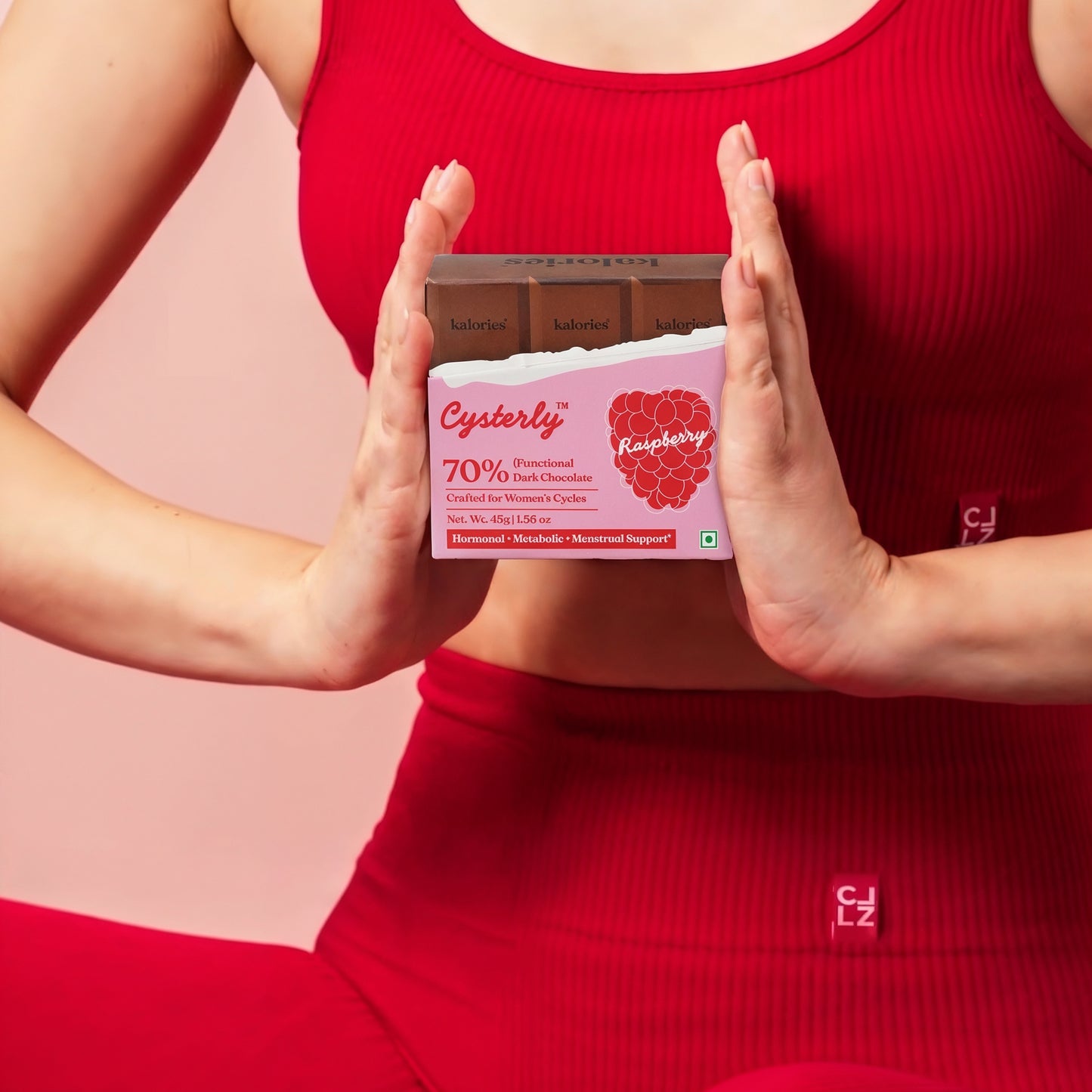
For people looking to reduce how often they need an NSAID like Meftal Spas, some turn to functional foods built around ingredients that have their own individual research base for period comfort. One example available in India is kalories® Cysterly™, a 70% dark chocolate formulated for PCOS/PCOD wellness, metabolic health, and menstrual comfort.
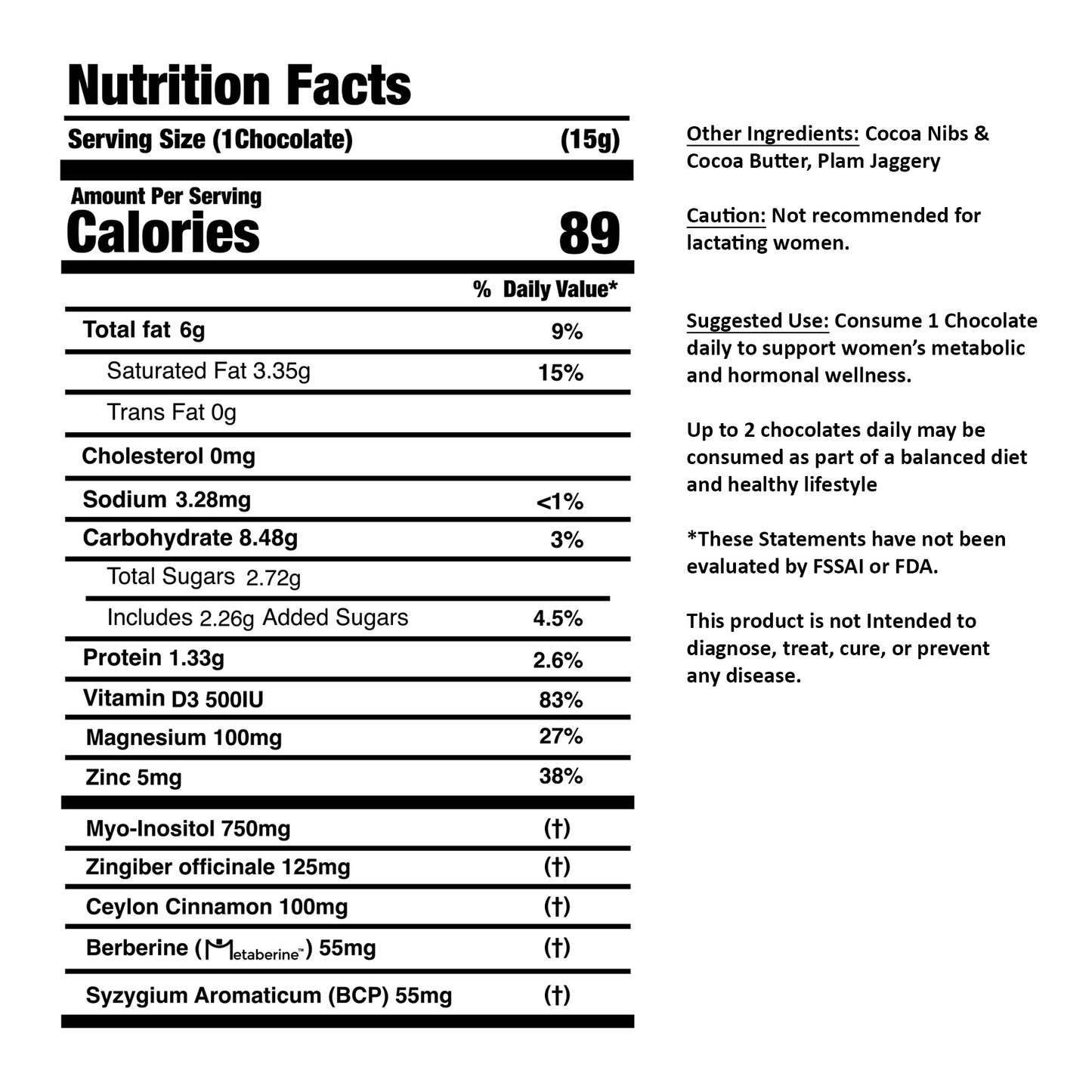
Key ingredients: Metaberine® (a bioavailable berberine formulation), myo-inositol, β-caryophyllene (BCP), ginger, magnesium, zinc, vitamin D3, Ceylon cinnamon, and freeze-dried raspberry, in a 15 g, no-added-sugar, 70% dark chocolate base.
How it's used: For period cramps, the brand's directions are one chocolate (15 g) when cramps occur, with a maximum of two per day (one morning, one evening) if pain is more severe. For general PCOS/PCOD wellness support, the directions are one chocolate daily as part of a routine.
Price and availability: Rs. 349 for the pack, available online at kalories.in, with shipping across India.
What the evidence does and doesn't say: Several of Cysterly's ingredients — magnesium, ginger, and BCP — have their own individual research bases for pain, inflammation, or muscle relaxation, covered in the sections above. Per the brand's own product information, its claims are ingredient-based rather than clinical claims about the finished chocolate itself: there is currently no published clinical trial on the finished Cysterly product for period cramps specifically, and the brand states it isn't intended to diagnose, treat, cure, or prevent any disease. It's reasonable to think of it as a convenient way to get several individually studied ingredients together, rather than as a clinically proven remedy in its own right — and it isn't a substitute for medical care for severe or worsening cramps, or for prescribed medication like Meftal Spas when an NSAID is what's needed.
When to choose Meftal Spas over a non-drug option: Meftal Spas (or another NSAID) is generally the more appropriate choice when pain is moderate-to-severe, disrupts your ability to function, or hasn't responded well to non-drug approaches, since NSAIDs have a larger and more direct evidence base for pain reduction in acute dysmenorrhea than any single functional food.
When You Should Still Reach for a Painkiller — or See a Doctor
Non-drug remedies work well for mild to moderate cramps, but they're not a substitute for medical care when:
- Pain is severe enough to stop you from going about your day.
- Cramps are getting worse cycle after cycle, or start suddenly after years of mild periods.
- You have heavy bleeding, pain outside your period, or suspect a condition like endometriosis or PCOS/PCOD.
In these cases, talk to a gynecologist. OTC painkillers, prescription options, and hormonal treatments all have a place — the goal is finding what works for your body, not avoiding medication altogether.
Conclusion
You don't have to choose between suffering through cramps and reaching for a pill every month. Heat, movement, hydration, magnesium, ginger, and TENS all have real (if varying-strength) evidence behind them, and can meaningfully reduce period pain for many people — often with fewer trade-offs than regular painkiller use. For many people, the best approach is a combination: lean on non-drug remedies day to day, and keep an OTC painkiller such as Meftal Spas on hand for the days cramps hit hardest.
This article is for informational purposes only and is not medical advice. Consult a healthcare professional if you are pregnant, breastfeeding, taking medication, or have an underlying health condition.
References
- Akin, M. D., Weingand, K. W., Hengehold, D. A., Goodale, M. B., Hinkle, R. T., & Smith, R. P. (2001). Continuous low-level topical heat in the treatment of dysmenorrhea. Obstetrics & Gynecology, 97(3), 343–349. https://pubmed.ncbi.nlm.nih.gov/11239634/
- Chan, W. Y., Dawood, M. Y., & Fuchs, F. (1981). Prostaglandins in primary dysmenorrhea: Comparison of prophylactic and nonprophylactic treatment with ibuprofen and use of oral contraceptives. American Journal of Medicine, 70(3), 535–541. https://pubmed.ncbi.nlm.nih.gov/7011011/
- Chen, C. X., Barrett, B., & Kwekkeboom, K. L. (2016). Efficacy of oral ginger (Zingiber officinale) for dysmenorrhea: A systematic review and meta-analysis. Evidence-Based Complementary and Alternative Medicine, 2016, Article 6295737. https://doi.org/10.1155/2016/6295737
- Cleveland Clinic. (2026). Follicular phase of menstrual cycle. https://my.clevelandclinic.org/health/body/23953-follicular-phase
- Han, S., Park, K. S., Lee, H., et al. (2024). Transcutaneous electrical nerve stimulation (TENS) for pain control in women with primary dysmenorrhoea. Cochrane Database of Systematic Reviews, 2024(7), CD013331. https://doi.org/10.1002/14651858.CD013331.pub2
- Nezamivand Chegini, S., Abedi, P., Honarmandpour, A., Noorbehbahani, M., & Yaralizadeh, M. (2024). The effect of magnesium sulfate on pain intensity and menstrual blood loss in students with primary dysmenorrhea: A randomized controlled trial. Journal of Inflammatory Diseases, 26(3), e156316. https://brieflands.com/journals/jid/articles/156316
- Ozgoli, G., Goli, M., & Moattar, F. (2009). Comparison of effects of ginger, mefenamic acid, and ibuprofen on pain in women with primary dysmenorrhea. Journal of Alternative and Complementary Medicine, 15(2), 129–132. https://doi.org/10.1089/acm.2008.0311
- Pelevin, E., Pabian, L., Auerbach, S., et al. (2026). Mechanistic insights into photobiomodulation for primary dysmenorrhea: A narrative review. Cureus, 18(3), e104721. https://doi.org/10.7759/cureus.104721
- PharmEasy. (2026). Meftal-Spas tablet: Uses, side effects, price, dosage & more info. https://pharmeasy.in/online-medicine-order/meftal-spas-tablet-5071
- Practo. (2021). Meftal Spas tablet — Uses, dosage, side effects, price, composition. https://www.practo.com/medicine-info/meftal-spas-tablet-49826
- Purdue-Smithe, A. C., Manson, J. E., Hankinson, S. E., & Bertone-Johnson, E. R. (2016). A prospective study of caffeine and coffee intake and premenstrual syndrome. American Journal of Clinical Nutrition, 104(2), 499–507. https://doi.org/10.3945/ajcn.115.127027
- Rigi, S. N., Kermansaravi, F., Navidian, A., Safabakhsh, L., Safarzadeh, A., Khazaian, S., Shafie, S., & Salehian, T. (2012). Comparing the analgesic effect of heat patch containing iron chip and ibuprofen for primary dysmenorrhea: A randomized controlled trial. BMC Women's Health, 12, Article 25. https://doi.org/10.1186/1472-6874-12-25
- Shirvani, M. A., Motahari-Tabari, N., & Alipour, A. (2015). The effect of mefenamic acid and ginger on pain relief in primary dysmenorrhea: A randomized clinical trial. Archives of Gynecology and Obstetrics, 291(6), 1277–1281. https://pubmed.ncbi.nlm.nih.gov/25399316/
- Tsai, I. C., Lei, W. T., et al. (2024). Comparative effectiveness of different exercises for reducing pain intensity in primary dysmenorrhea: A systematic review and network meta-analysis of randomized controlled trials. Sports Medicine – Open. https://pmc.ncbi.nlm.nih.gov/articles/PMC11139836/