Low libido in women is often misunderstood, oversimplified, or silently endured. For decades, female intimacy has been framed narrowly around desire or relationship dynamics. Science, however, tells a far more nuanced story.
Women’s intimacy is not just about desire. It is about hormonal balance, stress regulation, emotional safety, sleep quality, nutrition, and self-connection. When these systems fall out of sync, intimacy can quietly decline—not because something is “wrong,” but because the body is signaling imbalance.
Research indicates that nearly one in three women experience low libido, fatigue, or intimacy-related discomfort at some stage of life (Clayton et al., 2018). Yet these experiences are rarely discussed openly, leaving many women uninformed rather than supported.
Female Libido Is a System, Not a Switch
Unlike male sexual desire, which is often stimulus-driven, female libido is context-dependent and biologically interconnected. According to the biopsychosocial model of sexual health, women’s desire is shaped by hormonal fluctuations, stress hormones, emotional wellbeing, sleep quality, nutritional status, and psychological safety.
When these factors align, desire emerges naturally. When they are disrupted, libido often fades gradually rather than abruptly.
Stress, Cortisol, and the Suppression of Desire
Chronic stress is one of the most under-recognized contributors to low libido in women. Elevated cortisol levels suppress the hypothalamic-pituitary-gonadal axis, which regulates reproductive hormones (Chrousos, 2009).
Persistently high cortisol disrupts estrogen and progesterone balance, lowers testosterone availability, reduces emotional receptivity, and increases fatigue—making intimacy biologically difficult rather than emotionally absent.
The Critical Role of Sleep in Women’s Intimacy
Sleep quality is foundational to sexual wellbeing. A daily diary study published in The Journal of Sexual Medicine found that each additional hour of sleep increased next-day sexual desire in women by up to 14 percent (Kashdan et al., 2015).
Poor sleep disrupts melatonin, dopamine, and oxytocin—hormones essential for mood regulation, motivation, and emotional bonding—while simultaneously increasing cortisol levels.
Hormonal Transitions Across a Woman’s Life
Low libido commonly appears during periods of hormonal transition, including postpartum recovery, perimenopause, menopause, thyroid disorders, polycystic ovary syndrome, and prolonged hormonal contraceptive use.
A global review published in The Lancet confirms that hormonal fluctuations significantly influence sexual desire, arousal, and comfort throughout a woman’s lifespan (Santoro et al., 2016).
The Invisible Emotional Load
Research shows that women disproportionately carry cognitive and emotional labor, including planning, caretaking, and emotional regulation. This invisible mental burden suppresses desire by limiting nervous system relaxation and present-moment awareness (Daminger, 2019).
Why Women’s Sexual Wellness Needs Care, Not Silence
Despite its prevalence, low libido in women remains stigmatized or overly medicalized. Many women are offered quick fixes without lifestyle context or emotional understanding. Science supports a more holistic approach rooted in nourishment, rest, and sensory pleasure.
Intimacy as Wellness, Not Performance
Intimacy is not performative—it is physiological alignment. When nutrition supports neurotransmitters, mood stabilizes, and confidence returns, intimacy becomes a natural outcome of wellness.
Dark chocolate rich in cocoa polyphenols has been shown to support nitric oxide production, improve mood through serotonin and dopamine pathways, and reduce stress perception (Grassi et al., 2005; Smit et al., 2004).
Real Women, Real Stories
The conversation around women’s intimacy is changing—driven by real experiences and honest dialogue.
Intimacy Begins With Wellness
Women do not need fixing. They need permission—to rest, to nourish, and to prioritize themselves without guilt. Low libido is often not a failure of desire, but a signal for deeper balance.
When wellness is restored, intimacy follows effortlessly.
Experience Intimacy, Reimagined
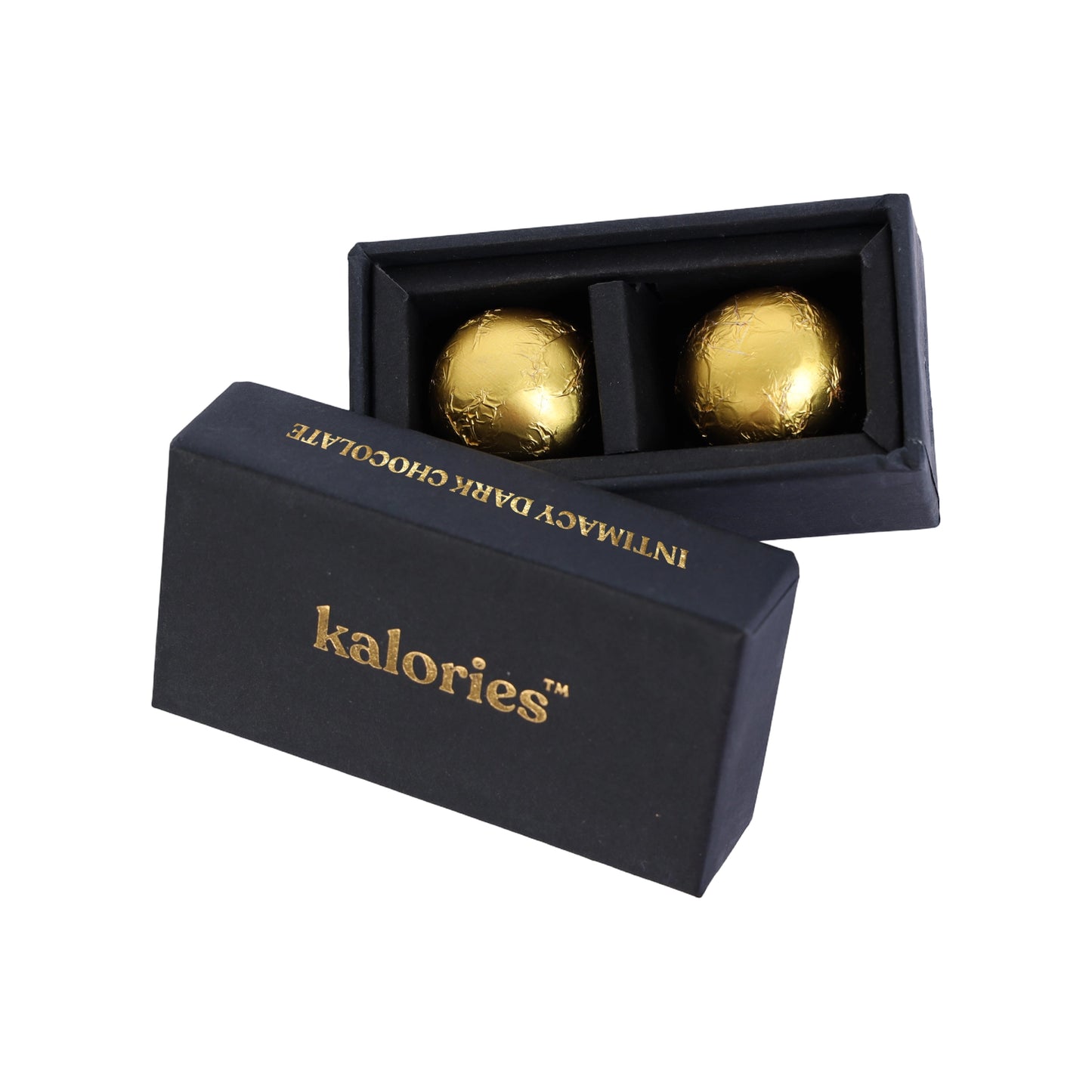
Kalories Intimacy Dark Chocolate is crafted with 55% single-origin cocoa and mood-supportive ingredients—designed to make wellness feel indulgent, not clinical.
Intimacy should feel natural. Pleasure should feel comfortable. Wellness should feel like self-care.
Discover Kalories Intimacy Dark Chocolate and reconnect with wellness—one smooth bite at a time.
References
Clayton, A. H., et al. (2018). Validation of the decreased sexual desire screener. Journal of Sexual Medicine, 6(3), 730–738. https://doi.org/10.1111/j.1743-6109.2008.01153.x
Chrousos, G. P. (2009). Stress and disorders of the stress system. Nature Reviews Endocrinology, 5(7), 374–381. https://doi.org/10.1038/nrendo.2009.106
Kashdan, T. B., et al. (2015). Sleep and sexual response. The Journal of Sexual Medicine, 12(2), 325–334. https://doi.org/10.1111/jsm.12769
Santoro, N., et al. (2016). Menopausal symptoms and management. The Lancet, 387(10022), 2047–2056. https://doi.org/10.1016/S0140-6736(15)01198-0
Daminger, A. (2019). The cognitive dimension of household labor. American Sociological Review, 84(4), 609–633. https://doi.org/10.1177/0003122419859007
Grassi, D., et al. (2005). Cocoa and cardiovascular health. American Journal of Clinical Nutrition, 82(2), 421–426. https://doi.org/10.1093/ajcn.82.2.421
Smit, H. J., et al. (2004). Chocolate consumption and mood. Physiology & Behavior, 82(4), 707–715. https://doi.org/10.1016/j.physbeh.2004.04.054