Libido is often spoken about as desire, attraction, or chemistry between people. But beneath emotions and relationships lies a quieter influence that shapes how desire is felt, sustained, and expressed: food.
Understanding how food affects libido requires looking beyond aphrodisiac myths and into biology—where hormones, blood flow, brain chemistry, and energy availability intersect. What we eat does not create desire on command, but it can either support or silently suppress the body’s natural readiness for intimacy.
The Biological Foundations of Libido
Libido is not governed by a single hormone or organ. It emerges from the coordinated function of the endocrine system, nervous system, and cardiovascular system. When these systems are nourished and balanced, desire tends to feel effortless. When they are strained, libido often becomes inconsistent or absent.
Hormones: The Internal Messengers
Sex hormones such as testosterone, estrogen, and progesterone are synthesized from dietary building blocks. Micronutrients like zinc, vitamin B6, magnesium, and healthy fats play supporting roles in hormone production and regulation. Diets lacking these nutrients may not cause immediate dysfunction, but over time they can reduce hormonal efficiency.
Importantly, libido is influenced not just by sex hormones, but also by cortisol—the stress hormone. Chronically elevated cortisol competes with reproductive hormones, often dampening desire even when other factors appear normal.
Blood Flow and Physical Readiness
Arousal depends heavily on circulation. Adequate blood flow supports sensitivity, responsiveness, and physical comfort during intimacy. Certain foods contain compounds that help the body maintain vascular flexibility, nitric oxide availability, and endothelial health—factors directly linked to physical arousal in all genders.
Diets dominated by ultra-processed foods, excessive sugar, or trans fats may impair circulation over time, subtly affecting sexual responsiveness long before overt cardiovascular symptoms appear.
The Brain’s Role in Desire
Desire is also a neurological experience. Neurotransmitters such as dopamine and serotonin influence motivation, pleasure, and emotional connection. These chemicals rely on amino acids, B-vitamins, and minerals obtained through food. When nutritional intake is insufficient or imbalanced, mood and desire often shift together.
Why Energy Availability Matters
Libido is biologically non-essential for survival. When the body perceives energy scarcity—through restrictive dieting, irregular meals, or nutrient-poor intake—it prioritizes basic functions over reproduction and pleasure.
This explains why low libido often accompanies chronic fatigue, burnout, or under-nutrition. It is not a failure of willpower or attraction, but a signal from the body that resources are limited.
Food as a Long-Term Influence, Not a Quick Fix
Popular culture often frames libido foods as instant triggers. In reality, nutrition influences desire gradually, by shaping internal conditions over weeks and months. Consistent dietary patterns matter far more than isolated foods.
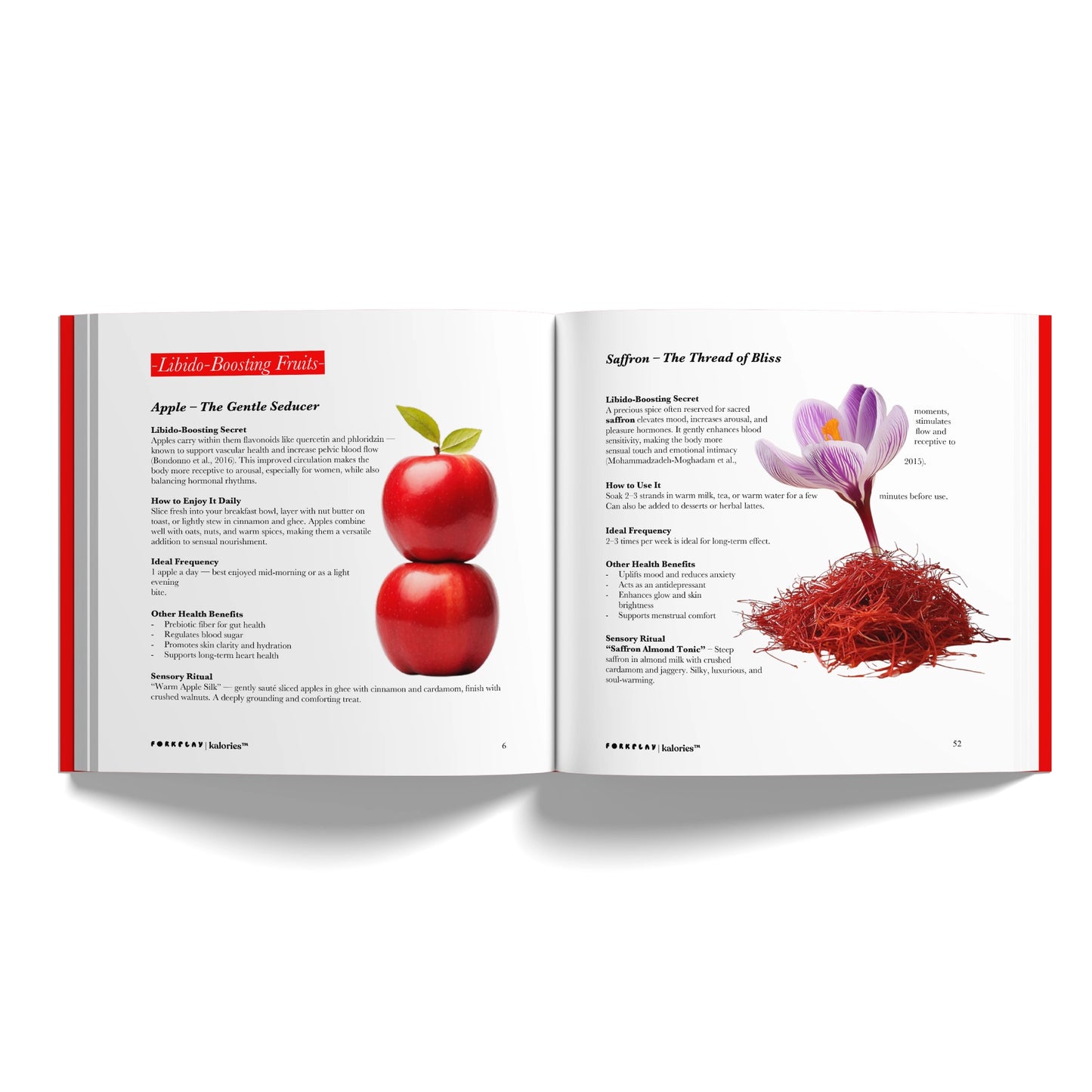
This perspective aligns with insights explored in Forkplay, which examines how everyday foods quietly influence mood, energy, and intimacy without promising immediate or exaggerated outcomes.
Modern Diets and the Libido Disconnect
Many modern diets provide abundant calories but limited micronutrients. This mismatch can lead to adequate weight maintenance alongside subtle hormonal and neurological inefficiencies. Libido often becomes an early casualty of this imbalance.
Stress, sleep disruption, and screen exposure further amplify nutritional gaps, creating a feedback loop where desire feels increasingly distant despite no obvious medical issue.
Where Functional Foods Fit In
Functional foods aim to restore nutrient density and sensory pleasure without medicalization. When formulated responsibly, they can complement whole-food diets by delivering compounds that support mood, circulation, and energy.
Brands like Kalories approach this space from a nutrition-first perspective, focusing on enjoyment and consistency rather than performance claims.
Final Takeaway
Libido is not simply psychological, nor purely hormonal. It is a reflection of how well the body is nourished, rested, and supported. Understanding how food affects libido allows desire to be viewed not as something to be forced, but as something that emerges naturally when internal systems are aligned.
Intimacy often begins long before the moment itself—sometimes quietly, at the table.
Disclaimer
This article is intended for informational and educational purposes only. It does not provide medical advice, diagnosis, or treatment. Individual responses to foods vary based on health status, lifestyle, and biology. Readers are encouraged to consult qualified healthcare professionals before making dietary changes related to sexual or hormonal wellness.