Low libido is one of the most misunderstood experiences in modern wellness conversations. It is often spoken about in emotional terms—attraction, motivation, connection, or relationship health. When desire fades, the instinctive reaction is to search for psychological explanations or interpersonal causes. While emotions and relationships certainly influence intimacy, they are rarely the full story.
To truly understand low libido causes, it is essential to move away from judgment and toward biology. Libido is not a personality trait, a moral failing, or a reflection of effort. It is a physiological signal that reflects how supported, safe, nourished, and balanced the body feels.
In this sense, low libido is not something that “goes wrong.” It is something the body communicates.
Libido Is an Outcome, Not a Switch
One of the most damaging myths around libido is the belief that desire should be available on demand. In reality, libido does not operate like a switch that can be turned on through intention or willpower. It emerges when internal conditions are favorable.
From a biological perspective, intimacy is optional. Survival is not. When the body perceives stress, scarcity, or instability—whether physical, emotional, or nutritional—it reallocates resources away from non-essential functions. Libido is one of the first functions to be deprioritized.
This explains why low libido so often appears alongside fatigue, burnout, poor sleep, mental overload, or chronic stress. Desire fades not because attraction disappears, but because the body is conserving energy.
The Hormonal Architecture Behind Desire
Hormones play a central role in libido, but they rarely act alone. Testosterone, estrogen, and progesterone interact continuously with stress hormones, thyroid hormones, insulin, and neurotransmitters. Libido depends on balance within this network rather than on a single hormone level.
Importantly, libido is influenced not only by hormone quantity, but by hormone sensitivity. Receptors must be responsive for signals to be felt. When sensitivity is reduced, desire may feel muted even if laboratory values appear normal.
Nutrition, sleep, and stress regulation all influence how effectively hormonal signals are received and interpreted by the body.
Cortisol: The Quiet Suppressor of Desire
Cortisol is the body’s primary stress hormone. In short-term situations, cortisol is adaptive. It increases alertness, mobilizes energy, and helps the body respond to challenge. Problems arise when cortisol remains elevated for long periods of time.
Chronic cortisol elevation sends a clear message to the body: conditions are unsafe or unpredictable. In response, the body postpones reproduction, pleasure, and intimacy.
Modern stress may not involve physical danger, but the nervous system responds similarly to constant deadlines, emotional strain, and cognitive overload. Over time, libido becomes less accessible even without conscious stress awareness.
Stress, the Nervous System, and Modern Living
Modern stress is rarely resolved. Notifications, irregular schedules, financial pressure, and continuous screen exposure keep the nervous system in a state of low-grade activation.
This sustained alertness alters how the body allocates energy. Recovery processes—rest, digestion, hormonal balance, and sexual interest—are subtly deprioritized.
Desire does not vanish suddenly. It becomes quieter, less spontaneous, and more effortful.
The Nutrition–Libido Connection
Libido is energetically expensive. It requires adequate caloric intake, nutrient density, and metabolic efficiency.
Diets characterized by restriction, irregular meals, or nutrient-poor convenience foods signal scarcity even when calorie intake appears sufficient. When the body perceives scarcity, it conserves energy. Sexual interest is often one of the first functions to be downregulated.
Why Eating Enough Is Not the Same as Being Nourished
Many modern diets provide calories without micronutrient depth. This creates a paradox where individuals feel fed but not physiologically supported.
Over time, this imbalance can influence mood, stamina, hormonal signaling, and libido subtly, often without obvious symptoms.
Why Low Libido Is Commonly Misinterpreted
Cultural narratives frame libido as psychological or relational. Biological contributors are frequently overlooked.
People may blame themselves, their partners, or their circumstances without recognizing that desire is responding logically to internal signals. This misinterpretation often increases frustration rather than restoration.
A Reframed Perspective on Desire
A more supportive approach views libido as feedback, not failure. It reflects whether the body feels resourced, rested, and safe enough for pleasure.
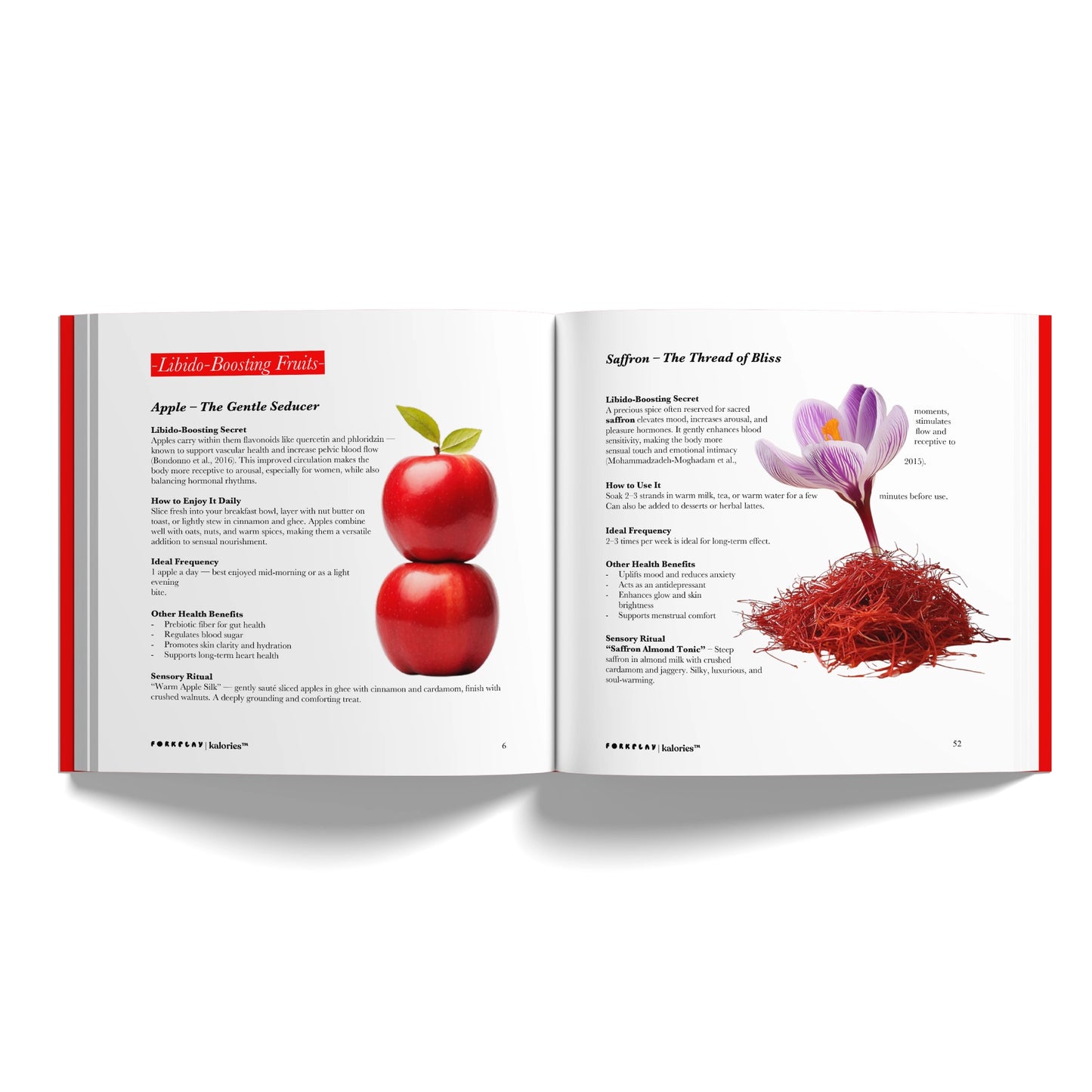
This perspective aligns with insights explored in Forkplay, which examines how food, stress, and lifestyle shape intimacy without promising instant outcomes.
Supporting the Conditions for Libido
Restoring libido begins with rebuilding internal readiness rather than forcing desire. Consistent nourishment, stress reduction, regular sleep, and sensory enjoyment signal safety to the nervous system.
Functional foods, when developed responsibly, can complement whole-food diets by supporting consistency and pleasure. Kalories approaches intimacy wellness through this nutrition-first, non-medicalized lens.
Final Reflection
Low libido is not a personal shortcoming. It is information.
When the body feels supported, desire often returns quietly—without pressure, performance, or force.
Sometimes, restoring intimacy begins not with effort, but with listening.
Disclaimer
This article is intended for informational and educational purposes only. It does not provide medical advice, diagnosis, or treatment. Individual responses vary based on health status, lifestyle, and biology. Readers are encouraged to consult qualified healthcare professionals before making dietary or lifestyle changes related to sexual wellness.