Pineapple occupies a unique position in conversations about intimacy, attraction, and desire. Unlike foods traditionally labeled as aphrodisiacs, pineapple is rarely associated with direct stimulation or performance. Instead, its reputation is tied to subtler influences—scent, digestion, hormonal context, and overall metabolic health.
Across cultures, pineapple has been symbolically linked to warmth, hospitality, and pleasure. In modern wellness discussions, it is increasingly referenced in relation to testosterone, bodily scent, and sexual confidence. These associations are often exaggerated or poorly explained.
Pineapple does not create desire. It does not increase testosterone in a pharmacological sense. What it does is support several physiological and sensory factors that influence how desire is perceived and expressed.
Testosterone: Context Before Claims
Testosterone is commonly framed as a driver of libido, confidence, and sexual motivation. While it plays an important role in sexual health for all genders, testosterone does not act in isolation. Its effects depend on metabolic health, stress levels, nutrient status, and hormonal balance.
Foods do not increase testosterone the way drugs do. Instead, diet influences the internal environment in which hormones are produced, metabolized, and utilized. Pineapple fits into this framework indirectly by supporting metabolic efficiency rather than hormone stimulation (Gropper & Smith, 2021).
Bromelain and Inflammatory Balance
One of pineapple’s most studied components is bromelain, a group of proteolytic enzymes found primarily in the fruit’s stem and core. Bromelain supports protein digestion and influences inflammatory pathways (Pavan et al., 2012).
Chronic low-grade inflammation interferes with hormonal signaling. When the body is under inflammatory stress, resources are diverted away from reproductive and pleasure-related processes. By supporting digestive efficiency and inflammatory balance, pineapple may contribute indirectly to hormonal responsiveness.
Digestion, Comfort, and Desire
Desire is strongly influenced by physical comfort. Digestive discomfort, bloating, and heaviness reduce bodily awareness and pleasure sensitivity.
Pineapple’s enzyme content supports protein digestion, which may reduce post-meal discomfort for some individuals. Improved digestive comfort supports parasympathetic nervous system activity—the state associated with relaxation and receptivity (Sapolsky, 2004).
Pineapple and Bodily Scent: Separating Myth from Mechanism
One of the most persistent claims about pineapple relates to bodily scent. While often treated humorously, this claim has a plausible sensory explanation.
Body odor is influenced by hydration, diet, metabolic byproducts, and gut microbiota. Pineapple is high in water content and contains organic acids that influence metabolic processing. Hydration and dietary patterns affect how metabolic waste is excreted (Popkin et al., 2010).
No food can literally “sweeten” scent. However, improved hydration and digestion influence scent perception. Confidence and self-perception further shape how attractiveness is experienced.
Vitamin C and Stress Resilience
Pineapple provides vitamin C, a nutrient involved in antioxidant defense and stress regulation. Vitamin C supports adrenal resilience and cortisol modulation (Carr & Maggini, 2017).
Elevated cortisol suppresses reproductive hormone signaling over time. By supporting stress resilience, vitamin C contributes indirectly to hormonal balance.
Energy Availability and Libido Context
Pineapple contains natural sugars that provide readily available energy. Energy availability influences libido because reproductive and pleasure-related processes require surplus energy.
When energy intake is insufficient, the body conserves resources and desire often declines (Wade & Schneider, 1992). Consumed within a balanced diet, pineapple supports energy availability without digestive heaviness.
Sensory Experience and Desire
Pineapple’s sweetness, acidity, aroma, and texture activate reward pathways in the brain. Sensory pleasure supports mood regulation and emotional openness (Rolls, 2015).
Desire thrives in environments perceived as safe, pleasurable, and relaxed. Sensory foods contribute to this emotional context.
Testosterone Is Not the Whole Story
Libido is shaped by neurological, emotional, relational, and metabolic systems. Focusing narrowly on testosterone creates unrealistic expectations.
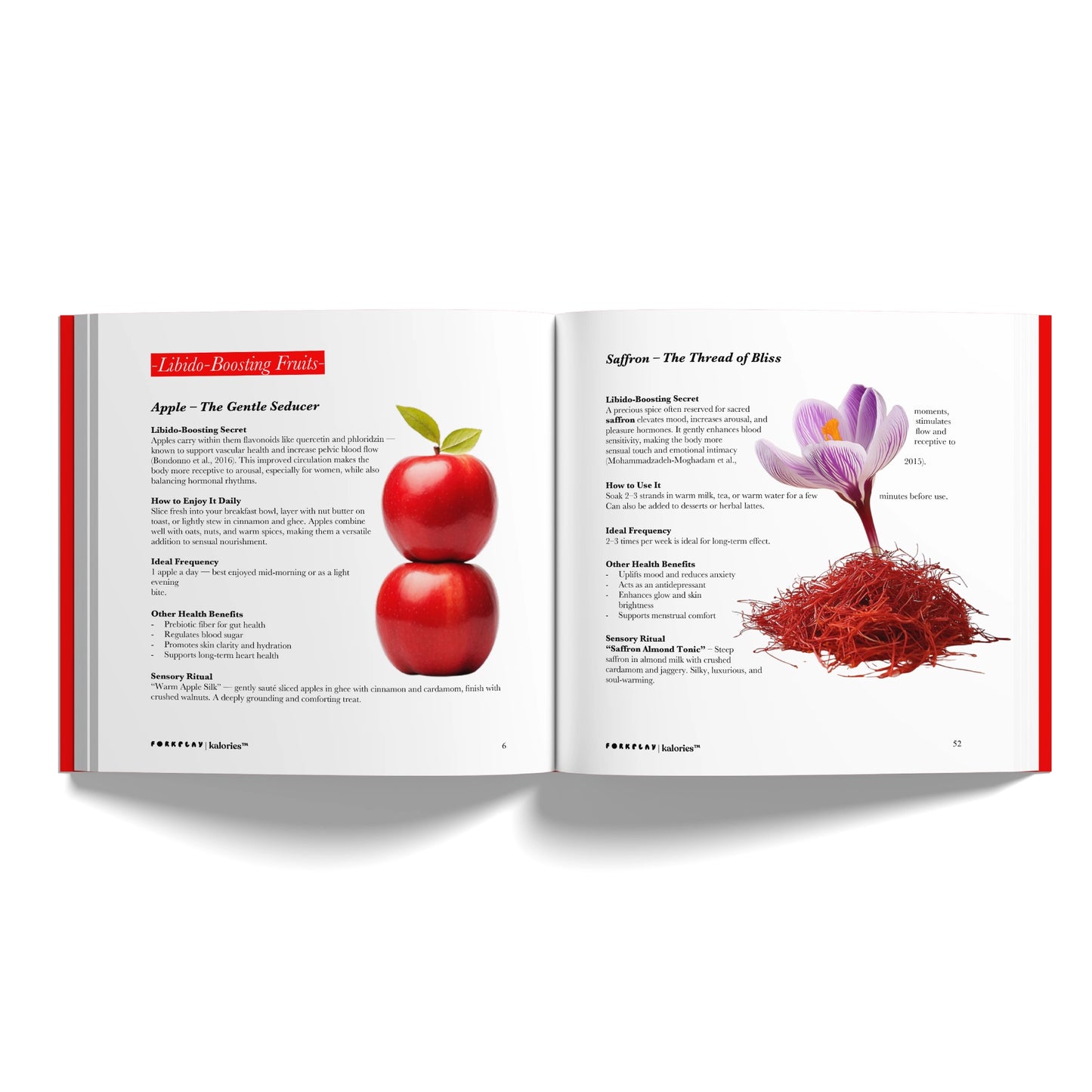
Pineapple’s value lies not in hormone manipulation, but in supporting the conditions under which hormonal signals function effectively. This perspective aligns with insights explored in Forkplay, which frames intimacy as an outcome of internal balance.
Pineapple in a Nutrition-First Framework
From a nutrition-first perspective, pineapple contributes hydration, digestive enzymes, vitamin C, and sensory pleasure. It does not override stress or correct hormonal disorders. It complements a lifestyle that prioritizes nourishment, rest, and emotional safety.
Brands approaching intimacy through food, including Kalories’ broader philosophy, emphasize support over exaggeration.
Final Reflection
Pineapple does not increase testosterone in a clinical sense, nor does it function as an aphrodisiac. Its role is quieter and more realistic.
By supporting digestion, hydration, antioxidant balance, sensory pleasure, and confidence, pineapple contributes to an internal environment where desire feels accessible.
Desire is not activated. It is allowed.
Disclaimer
This article is intended for informational and educational purposes only. It does not provide medical advice, diagnosis, or treatment. Individual responses vary based on health status, lifestyle, and biology. Readers are encouraged to consult qualified healthcare professionals before making dietary or lifestyle changes related to sexual wellness.
References
Carr, A. C., & Maggini, S. (2017). Vitamin C and immune function. Nutrients, 9(11), 1211. https://doi.org/10.3390/nu9111211
Gropper, S. S., & Smith, J. L. (2021). Advanced nutrition and human metabolism (7th ed.). Cengage Learning.
Pavan, R., Jain, S., Shraddha, & Kumar, A. (2012). Properties and therapeutic application of bromelain. Biotechnology Research International, 2012, 976203. https://doi.org/10.1155/2012/976203
Popkin, B. M., D’Anci, K. E., & Rosenberg, I. H. (2010). Water, hydration, and health. Nutrition Reviews, 68(8), 439–458. https://doi.org/10.1111/j.1753-4887.2010.00304.x
Rolls, E. T. (2015). Taste, olfactory, and food reward value processing in the brain. Progress in Neurobiology, 127–128, 64–90. https://doi.org/10.1016/j.pneurobio.2015.03.002
Sapolsky, R. M. (2004). Why zebras don’t get ulcers (3rd ed.). Holt Paperbacks.
Wade, G. N., & Schneider, J. E. (1992). Metabolic fuels and reproduction. Neuroscience & Biobehavioral Reviews, 16(2), 235–272. https://doi.org/10.1016/S0149-7634(05)80183-6